

 Italiano
- -20%
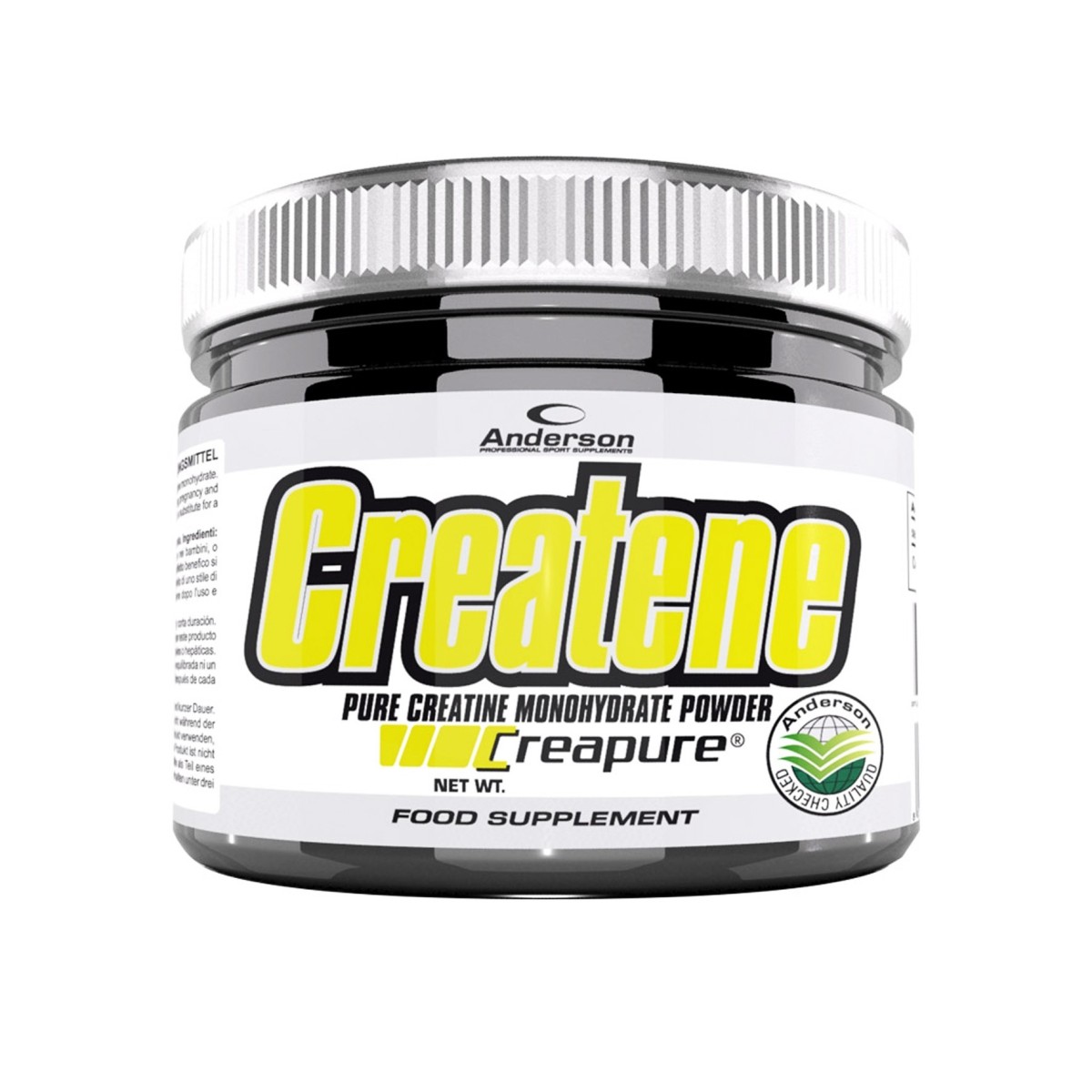
100% CREATINE Creapure® powder supplement:
250g format.

Guarantee safe & secure checkout
Creatine is a highly energetic amino acid derivative present in many foods, especially in meat and fish (200 g of red meat provide approximately 1 g of creatine).
Creatine is synthesized by the liver from arginine, S-adenosyl methionine and glycine and in the phosphorylated form (phosphocreatine-PCr) has the task of transporting energy (ATP) into cells, improving muscle energy levels and reserves. About 95% of the creatine in the body is stored in skeletal muscle: two-thirds of this percentage is deposited as phosphocreatine (PCr), while the remainder is in free form.
Biochemically speaking, to regenerate ATP, during and after physical effort, energy is needed and this is released depending on how much PCr is available in the muscle.
As PCr stores are depleted during intense exercise, energy availability decreases due to the inability to resynthesize ATP in the amount required to continue high-intensity exercise. As a result, the ability to maintain a constant level of effort decreases.
With the increase in muscle creatine content, through its integration, the availability of PCr increases and consequently the speed of ATP resynthesis is increased during and after high-intensity, short-duration exercise.
Creatine, therefore, increases recovery capacity, gives muscles more volume, increasing the threshold of fatigue and energy, especially in the case of repetitive, high-intensity, short-duration activities.

Specific References
BCAA branched chain amino acids (L-leucine, L-isoleucine, L-valine, 2/1/1) in pure free form, compliant with the European Pharmacopoeia.
120 tablets format
Organic Germinated Oats:
1kg format.
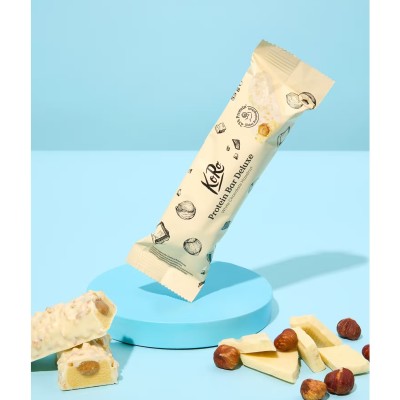
Deluxe Protein Bar with White Chocolate and Hazelnuts:
55g format.
Snickers Hi Protein Crisp bar, high protein snack:
55g format.
200ml format.
Deluxe Pistachio Protein Bar:
55g format.
Mars Protein Coconut Protein Bar Covered in Milk Chocolate:
52g format.
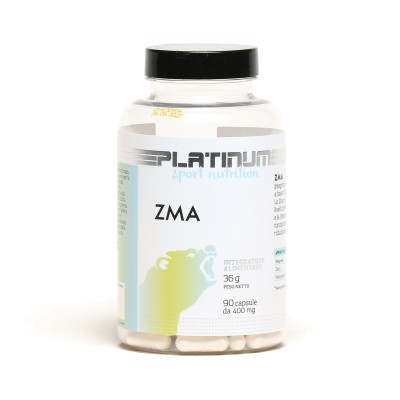
Zinc, Magnesium, and Vitamin B6:
Contains 90 capsules.
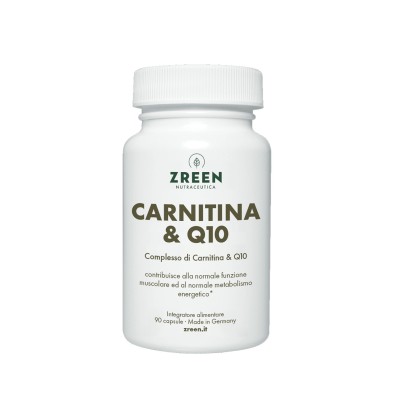
Carnitine Q10 Food Supplement.
Contributes to normal muscle function and normal energy-yielding metabolism.
Contains 90 HPMC capsules, size 00 (1-month supply).
BCAA branched chain amino acids (L-leucine, L-isoleucine, L-valine, 2/1/1) pure in free form, compliant with the European Pharmacopoeia.
224g format.
Enerzona Snack: Salty Caramel flavour bar:
Balance 40-30-30 is the EnerZona product line based on the exclusive balance of calories coming from 40% carbohydrates, 30% protein and 30% fat, in accordance with the Zone Diet.
25g bar.
Food supplement based onL-ornithine α-ketoglutarate.
Format of 60 tablets.
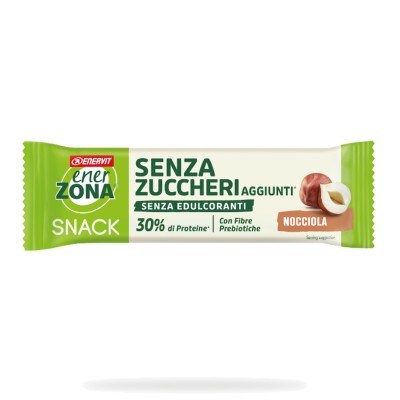
Vegan protein bar with organic hazelnuts:
60g format.
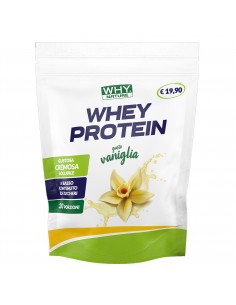
Whey protein concentrate food supplement:
400g format = 20 portions.
Enerzona Snack: Salty Caramel flavour bar:
Balance 40-30-30 is the EnerZona product line based on the exclusive balance of calories coming from 40% carbohydrates, 30% protein and 30% fat, in accordance with the Zone Diet.
25g bar.
The revolutionary instant drink based on BCAA 2:1:1
335g format.