

 Italiano
- -15%
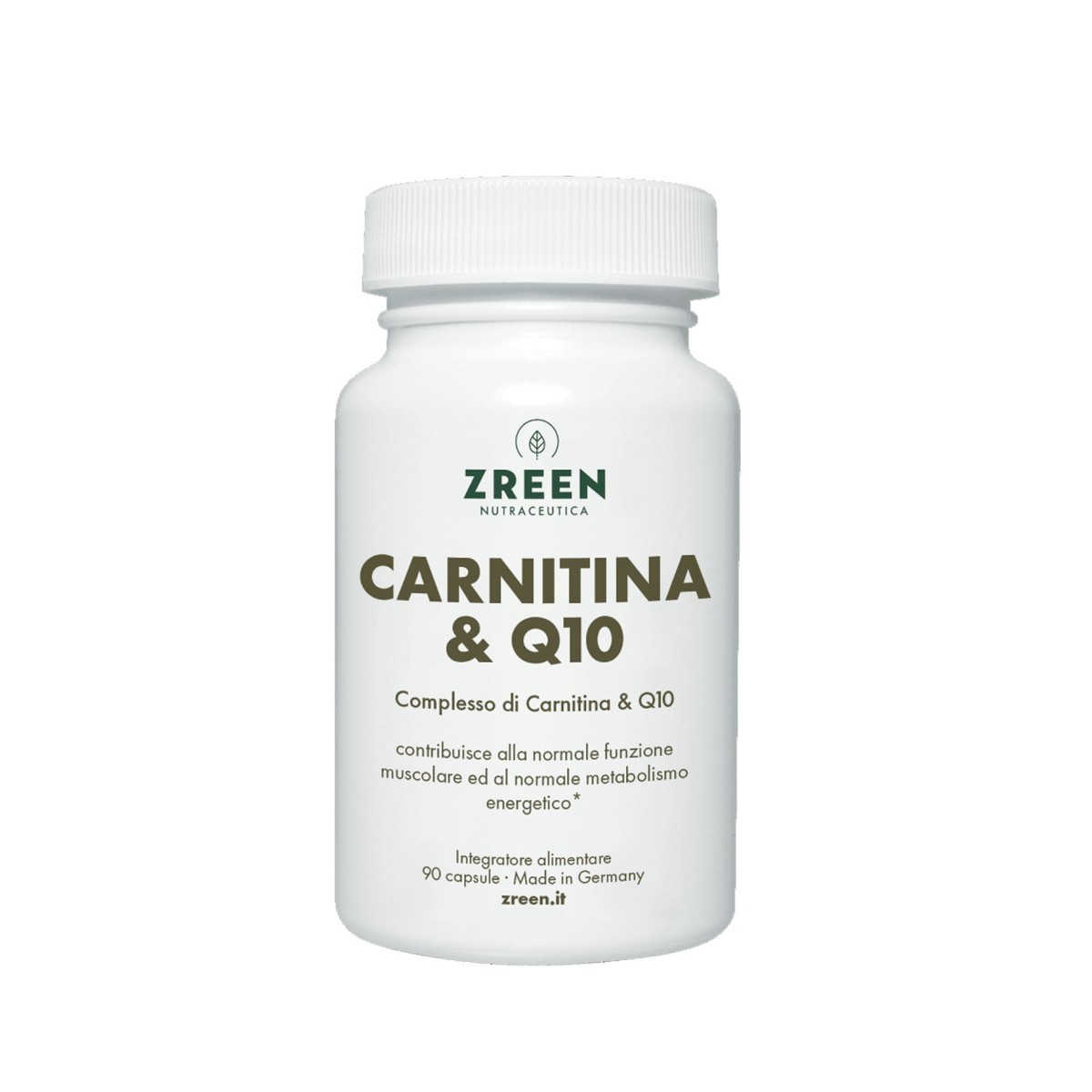
Carnitine Q10 Food Supplement.
Contributes to normal muscle function and normal energy-yielding metabolism.
Contains 90 HPMC capsules, size 00 (1-month supply).

Guarantee safe & secure checkout
Food supplement:
L-carnitine is an endogenous compound that is synthesized (produced) primarily in the brain, liver, and kidneys from the essential amino acids L-lysine and L-methionine.
In addition to L-lysine and L-methionine, the biosynthesis of L-carnitine also requires ascorbic acid (vitamin C), niacin (vitamin B3), pyridoxine (vitamin B6), and The trace element iron.
It plays an essential role in energy metabolism in the transport of fatty acids from the cytosol to the energy powerhouses of cells, such as the mitochondria.
98% of L-carnitine is located in the myocardium and skeletal muscle, with the remaining 2% in the liver and kidneys.
Directions for use
Take 3 capsules once a day or, alternatively, 1 capsule in the morning, 1 at noon, and 1 in the evening. Preferably take at least 30 minutes before or after a meal with 250 ml of warm water and, optionally, the juice of half a freshly squeezed lemon.
Storage
Store in a cool, dry place, at a stable temperature, and away from direct sunlight.
Warnings
Carnitine Q10 is not a drug, but a dietary supplement. Do not exceed the recommended daily dose. It does not replace a balanced diet and a healthy lifestyle. Keep out of reach of children.
Health Claims
1) Magnesium 2) Vitamin C (ascorbic acid)

Specific References
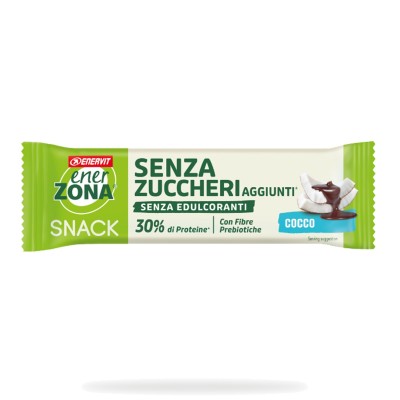
Enerzona Snack: Salty Caramel flavour bar:
Balance 40-30-30 is the EnerZona product line based on the exclusive balance of calories coming from 40% carbohydrates, 30% protein and 30% fat, in accordance with the Zone Diet.
25g bar.
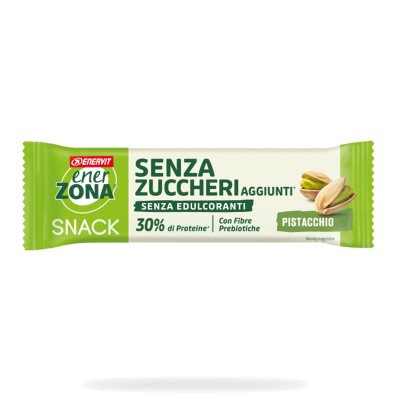
Enerzona Snack Pistachio Bar:
27g bar.
BarrettaPro is a protein bar covered in dark chocolate made from gluten-free cereals and dried fruit (almonds and hazelnuts), crunchy and tasty, made with selected high-quality raw materials:
Formatted with 4x35gr.
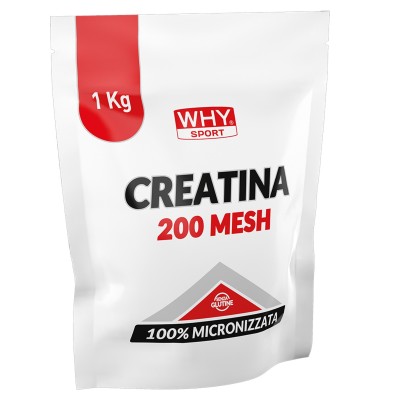
Micronized Creatine Monohydrate Supplement.
1kg Format.
Optimizes energy output, cleansing muscles from metabolic waste.
Format of 150 tablets.
Citrulline malate food supplement:
Format of 90 tablets.
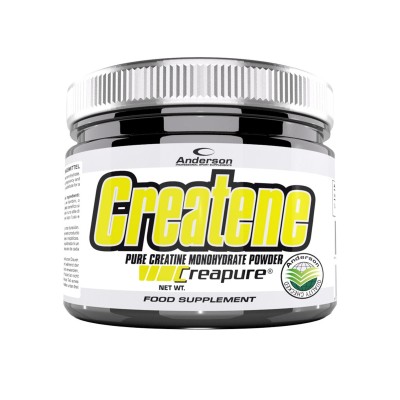
100% CREATINE Creapure® powder supplement:
250g format.
Gluta One Forte is a supplement based on Kyowa Quality L-Glutamine, with vitamin B6, suitable for vegans, gluten and lactose free.
Kyowa Quality L-Glutamine is a premium and certified form of L-Glutamine, produced by Kyowa Hakko Bio, a leading Japanese company in the fermentation of pharmaceutical grade amino acids.
Kyowa Quality L-Glutamine is obtained through natural fermentation from plant sources (not animal derived), has maximum purity thanks to the absence of contaminants, heavy metals, it is a GMO-free product.
200g format.
Adaptogen tonic:
Contains 60 tablets.
Deluxe Pistachio Protein Bar:
55g format.
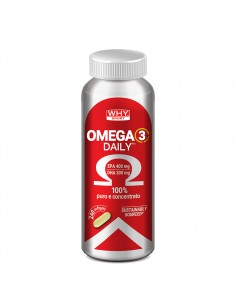
Food supplement of omega-3 from anchovies (EPA-DHA).
In athletes, omega-3 play a fundamental role: hormone production, in supporting the immune system and in promoting cardiovascular well-being, supporting the reduction of muscle fatigue and the increase in the reactivity of recovery times
Contains 240 softgels.
Creatine monohydrate:
Format of 240 tablets.
Food supplement based on maltodextrins.
1Kg format.
Bioactive Cobalamin:
50 ml format (3-month supply).
Intracellular electrolyte:
Contains 90 tablets.
FOOD SUPPLEMENT WITH CHLORIDE IN THE FORM OF SODIUM AND MAGNESIUM SALTS:
Contains 16 sachets of 4g each.